

Money decisions
deserve better input
Qygigoo runs live webinars on personal finance — not motivational content, but structured sessions where participants work through real problems with practitioners.
Most financial confusion comes from the same gap: too much general advice, too little context for where you actually stand.
Our sessions cover budgeting mechanics, debt sequencing, savings allocation, and the logic behind common financial products — delivered live so you can ask the question that's actually on your mind. The format is deliberate: short enough to fit a lunch break, specific enough to be useful the same afternoon.
Practitioners, not presenters
The facilitators at Qygigoo have worked inside financial planning, credit advisory, and household budgeting contexts — not as commentators, but as the people clients called when something went wrong. That background shapes what gets covered and how questions get answered.
Sessions are led by specialists with a minimum of eight years of direct client-facing experience. The format does not allow for vague answers — participants notice immediately when a response is being hedged.
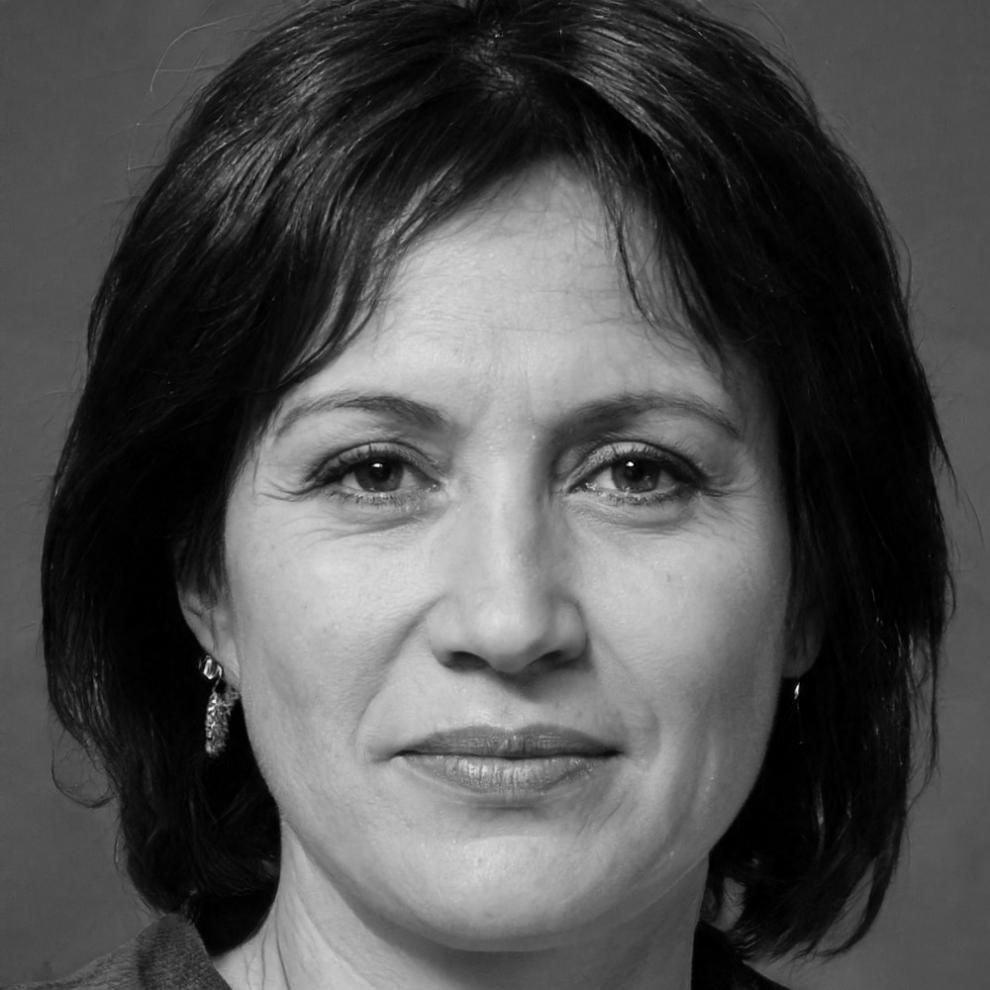
Orla Fennelly
Lead Facilitator — Household Finance
Twelve years in personal credit and debt restructuring. Runs the core budgeting and cashflow sessions. Known for answering the follow-up question before it's asked.
Tomáš Blažek
Facilitator — Savings & Investment Basics
Former financial analyst, now focused on demystifying product structures for non-specialist audiences. Covers deposit accounts, pension basics, and risk framing.
Siobhán Ó Murchú
Facilitator — Debt & Credit Literacy
Worked with credit unions and community finance organisations across Connacht. Brings a ground-level perspective on how credit decisions affect people over time.
What the field says about this work
Since 2020, Qygigoo has been referenced by local financial literacy initiatives in Galway and the wider Connacht region. The platform has been cited in community education roundtables as an example of accessible, non-commercial financial education that avoids product promotion.
That distinction matters in a space where most financial content is funded by the companies selling the products being discussed.
No product affiliation
Qygigoo receives no referral fees or sponsorship from financial institutions. Session content is not shaped by commercial relationships — a rarity in this category.
Community recognition
Referenced in Galway-based financial literacy roundtables as a platform that reaches participants who typically do not engage with formal financial advice services.
Participant retention
Most participants return for a second session within six weeks — not because they are required to, but because the format answers questions that arise from applying what they heard the first time.

"I had been to two other financial workshops before this one. The difference was that the facilitator answered what I actually asked, not a version of it that was easier to answer."
— Participant, Oughterard session, Spring cohort
What stays useful after the session ends
A webinar is a starting point, not a destination.
The sessions are structured so that the logic transfers — participants leave with a framework for thinking through new financial decisions, not just answers to the questions they arrived with.
That means the value compounds. A person who understands how interest is calculated on a revolving credit product will apply that understanding to every product they encounter afterward — without needing another session to explain it.



- Session recordings and reference materials are available to participants for 90 days after the live date — enough time to revisit a specific point when it becomes relevant.
- Each topic area builds on a consistent vocabulary, so participants who attend multiple sessions are not starting from scratch each time.
- The Q&A archive from past sessions is searchable — questions asked by previous participants often anticipate the one you have not thought to ask yet.
- Facilitators document common patterns across cohorts and update session content when those patterns shift — the material reflects what people are actually dealing with, not a fixed curriculum from three years ago.