

Financial Foundation Program
Money management is a skill, not a talent — which means it can be taught, and more importantly, learned at your own pace.

What the program covers
This is a structured course built around practical financial literacy — not abstract theory. Each module addresses a specific gap that most people discover only after they've already made a costly mistake.
The sequence is deliberate. Budgeting comes before investing, and understanding debt comes before discussing savings rates. The order matters.
Reading your own financial picture
Net worth, cash flow, and where your money actually goes — most people have a rough idea, but the numbers rarely match the feeling. This module makes it concrete.
Budgeting that holds under pressure
Spreadsheets are easy to build and easy to abandon. This module focuses on systems that survive irregular income, unexpected costs, and the occasional bad month.
Debt: types, costs, and sequencing
Not all debt behaves the same way. Understanding interest compounding on a credit card versus a mortgage changes how you prioritise repayment — sometimes significantly.
Savings mechanics and emergency funds
The standard advice is "save three months of expenses." This module explains why that number varies by person and how to calculate a figure that actually fits your situation.
Introduction to long-term financial planning
Pensions, basic investment principles, and how inflation erodes purchasing power over time. This module is deliberately introductory — the goal is orientation, not portfolio management.
Who leads the sessions
Practitioners, not lecturers. People who work with financial data regularly and find it interesting enough to explain clearly.
Qygigoo has been running webinars on financial literacy since 2020, and the format has stayed consistent: small groups, live Q&A, no pre-recorded substitutes. The experts who appear in this program have all worked directly with clients navigating real financial decisions — redundancy, mortgage planning, self-employment transitions.
The program runs across 6 weeks with one live session per week, each 90 minutes.
Recordings are available for 30 days after each session. The live format is intentional — the questions participants ask during a session consistently improve the material for everyone in the room, and that dynamic doesn't transfer well to asynchronous viewing.
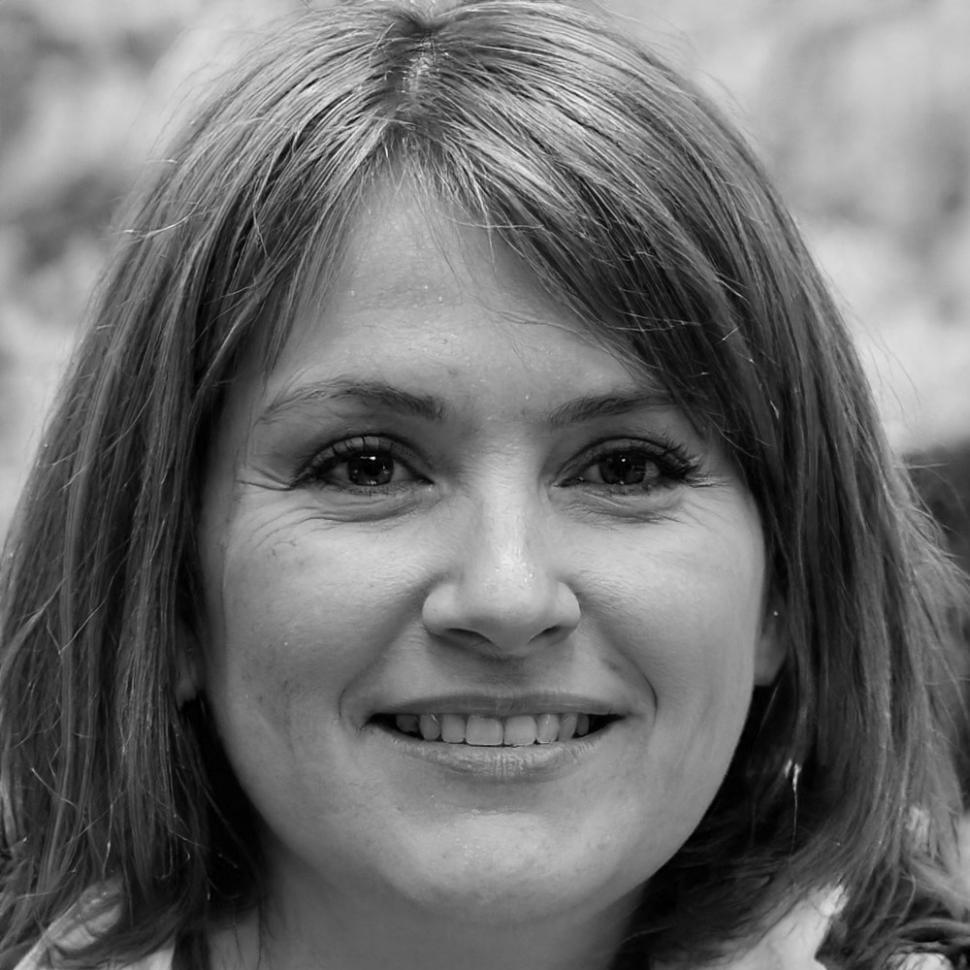
Síofra Dunleavy
Personal finance & budgeting systems
Cormac Ó Briain
Debt strategy & long-term planning